
Press
City Of Hope Comprehensive Cancer Center, Hope Plaza, Duarte, California: 2025 Design Showcase Award Of Merit
Project team members from EwingCole and CO Architects share insights on some of the planning and design strategies for the award-winning cancer center.
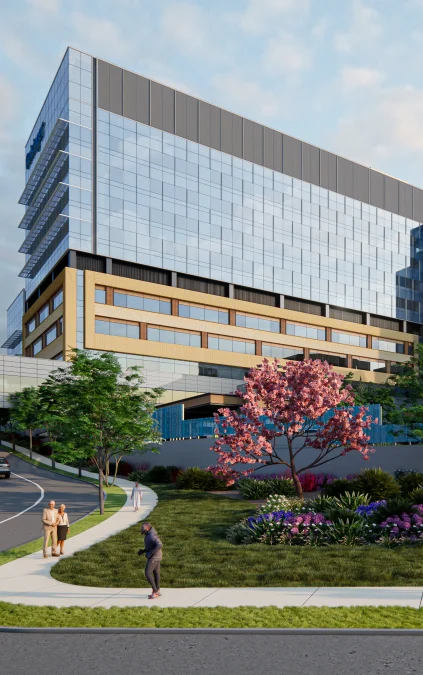
Opened in July 2024, the 352,000-square-foot Hope Plaza serves as the new front door for City of Hope patients, combining multiple existing services into a state-of-the-art outpatient cancer center designed to enhance patient experience.
The project was submitted to the Showcase by EwingCole (Irvine, Calif.), the associate architect, planning, and interior design firm on the project, and CO Architects (Los Angeles), which served as design architect, executive architect, and environmental graphics designer.
Designed to minimize walking distances and improve efficiency and experience for both patients and staff, the facility includes cutting-edge technology to enhance care coordination, flexible infrastructure to ensure future adaptability, and infusion bays designed to support patient autonomy, with adjustable lighting and temperature controls.
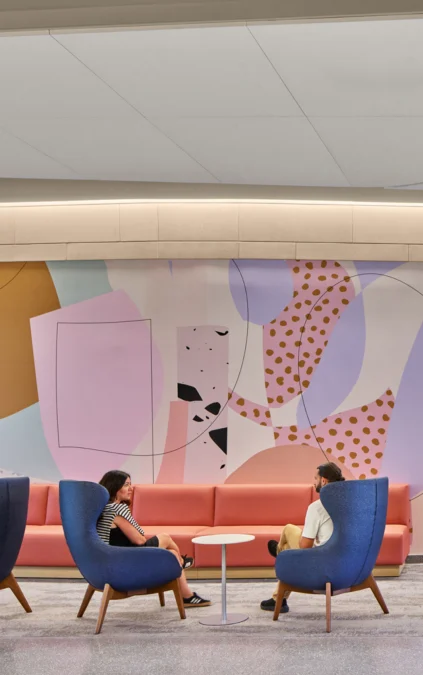
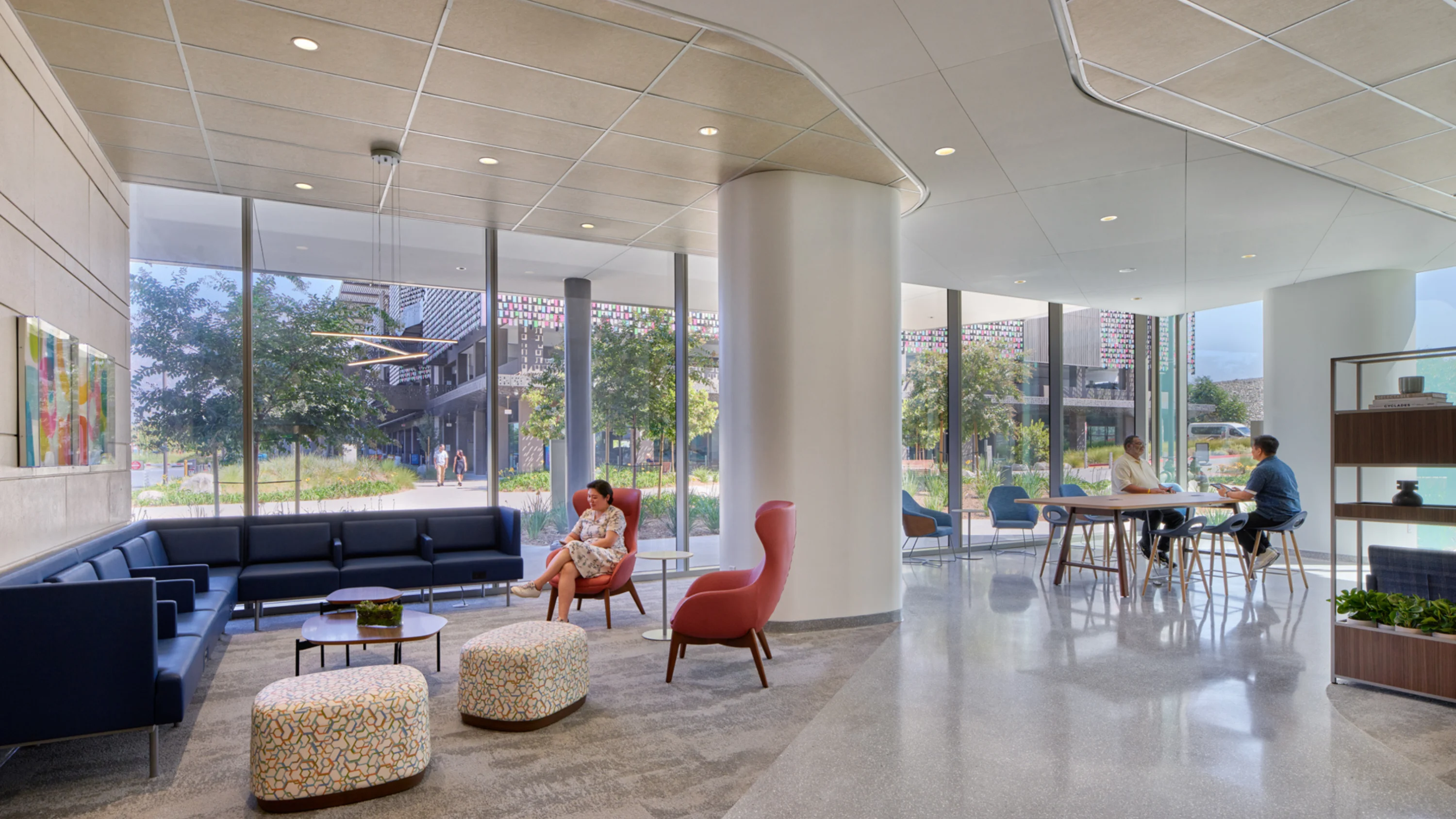
Biophilic design principles also are central to the architecture, fostering a soothing atmosphere with abundant natural light, serene views of the San Gabriel Mountains, and landscaped gardens.
The thoughtful approach not only enhances daily operations but also redefines the cancer care experience. Here, Mary Frazier, principal at EwingCole, and Gina Chang, principal at CO Architects, share insights on some of the project’s planning and design strategies.
Healthcare Design: What overall goals and principles were established to guide this project?
Mary Frazier: At the outset of the Hope Plaza project, City of Hope established a set of guiding goals that would shape every aspect of the building’s design, function, and experience.
Central to the vision was a commitment to delivering patient- and family-centric care, ensuring that every decision reflected the needs, preferences, and dignity of those undergoing cancer treatment. The facility was conceived as a place of calm, healing, and peace, designed to reduce the stress and emotional toll of care while offering convenience and clarity throughout the patient journey.
A key priority was the elimination of non-value-added activities and space. This meant streamlining workflows, right-sizing program areas, and consolidating services to allow patients to complete labs, imaging, consultations, and treatment within a single location.
The integration of technology played a vital role, enabling video-enabled consults, virtual family engagement, and seamless communication between providers. At the same time, standardization across clinical modules and support spaces promoted operational efficiency, flexibility, and a consistent experience for both staff and patients.
The care model embraced an evidence-based, team-based approach, physically bringing together multidisciplinary teams and services to support coordinated, holistic care.
This collaborative environment was designed not only to improve clinical outcomes, but also to reflect City of Hope’s leadership in translational medicine, creating direct links between research, innovation, and bedside care. The facility would be adaptable by design, with flexible infrastructure that could respond to new therapies, technologies, and models of care.
Finally, City of Hope set clear benchmarks for success: The project needed to be delivered on time and on budget, while achieving the highest possible value-not just in terms of cost-effectiveness, but in its long-term impact on patient lives, staff well-being, and the advancement of cancer care.